Obesity and Sleep Apnea: The Connection Explained
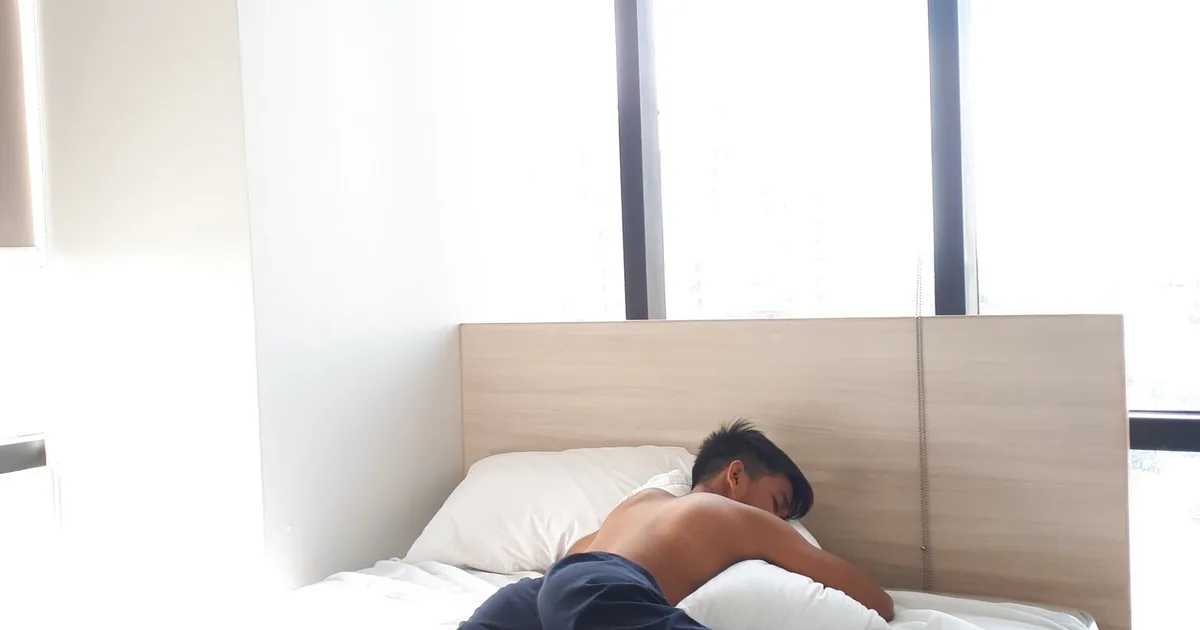
Obesity and sleep apnea are closely linked, creating a dangerous cycle that affects millions. If you are living with excess weight, you may be at higher risk for obstructive sleep apnea (OSA), a condition where breathing repeatedly stops and starts during sleep. Understanding this connection is the first step toward better health. In this article, we explain how obesity contributes to sleep apnea, why weight loss is a key treatment, and when to seek medical help.
1. What is Sleep Apnea?
Sleep apnea is a serious sleep disorder where your breathing repeatedly stops and restarts. The most common type is obstructive sleep apnea (OSA), which occurs when the muscles in the back of your throat relax too much, narrowing or closing your airway during sleep. This can reduce oxygen levels in your blood and cause you to wake up briefly throughout the night, even if you don't remember it.
Common symptoms include loud snoring, gasping for air during sleep, waking up with a dry mouth or headache, and excessive daytime sleepiness. If left untreated, sleep apnea can increase the risk of high blood pressure, heart disease, stroke, and type 2 diabetes.
2. How Obesity Contributes to Sleep Apnea
Obesity is one of the strongest risk factors for OSA. Excess weight, especially around the neck and abdomen, can physically narrow your airway. Fat deposits in the neck can compress the throat, making it easier for the airway to collapse when you lie down. Additionally, abdominal fat can push up on your diaphragm, reducing lung volume and making breathing less efficient.
According to the World Health Organization, obesity is a global health crisis, and its link to sleep apnea is well-documented. In fact, studies show that over 70% of people with OSA are obese. The more severe the obesity, the higher the risk of sleep apnea.
3. The Vicious Cycle: Sleep Apnea and Weight Gain
Sleep apnea and obesity can create a vicious cycle. Poor sleep from apnea can lead to hormonal changes that increase appetite and cravings for high-calorie foods. It also reduces energy, making it harder to exercise. This can lead to further weight gain, which in turn worsens sleep apnea. Breaking this cycle is essential for improving both conditions.
Weight loss is one of the most effective ways to break this cycle. Even a modest weight loss of 5-10% can significantly reduce the severity of sleep apnea, as noted in guidelines from the European Association for the Study of Obesity. For some individuals, significant weight loss can even eliminate the need for continuous positive airway pressure (CPAP) therapy.
4. Medical Treatment for Obesity and Sleep Apnea
If you have obesity and suspect sleep apnea, it's important to seek medical evaluation. A doctor can diagnose sleep apnea through a sleep study and recommend appropriate treatments, which may include CPAP, oral appliances, or lifestyle changes. However, addressing the root cause—obesity—is crucial for long-term improvement.
At TrueWeight, we offer online medical obesity treatment with registered doctors who follow European guidelines. Our approach includes personalized weight loss plans, and when appropriate, prescription medications that can help you lose weight and improve conditions like sleep apnea. These treatments are always prescribed by a doctor and are not a guarantee of results, but they can be a valuable tool when combined with lifestyle changes.
If you're wondering whether you're a candidate for medical obesity treatment, you can check our guide on who qualifies for medical obesity treatment.
5. Lifestyle Changes That Help Both Conditions
In addition to medical treatment, certain lifestyle changes can help manage both obesity and sleep apnea:
- Weight loss: Even a 10% reduction in body weight can reduce apnea severity.
- Positional therapy: Sleeping on your side instead of your back can help keep your airway open.
- Avoid alcohol and sedatives: These relax your throat muscles and worsen apnea.
- Quit smoking: Smoking increases inflammation and fluid retention in the airway.
- Regular exercise: Physical activity improves sleep quality and helps with weight loss.
These changes can be challenging, but with the right support, they are achievable. Our team at TrueWeight can help you develop a sustainable plan.
6. When to See a Doctor
If you experience symptoms of sleep apnea, such as loud snoring, gasping during sleep, or excessive daytime sleepiness, it's important to see a doctor. Also, if you have obesity and are concerned about your risk, discuss it with a healthcare professional. Early diagnosis and treatment can prevent serious complications.
For those with obesity, treating the underlying weight issue is key. Our guide on BMI and when to see a doctor can help you assess your risk. Additionally, if you're considering medication, you may want to read about GLP-1 side effects and alternatives to Ozempic to make an informed decision.
7. Conclusion
Obesity and sleep apnea are closely connected, but both are treatable. Weight loss is a powerful intervention that can improve or even resolve sleep apnea. If you're struggling with weight and sleep issues, don't wait. Consult a doctor to explore your options, including medical obesity treatment with proper follow-up. At TrueWeight, we're here to support you on your journey to better health.
Have questions about treatment?
Start with a free medical assessment (10 minutes). A doctor will evaluate your case, your labs and your benefit-risk balance before recommending anything.
Start your free assessment →Medical disclaimer: this article is for information only and does not replace professional advice. If you have symptoms, consult your doctor. The medicines mentioned are prescription-only.