Weight Regain After Stopping Weight Loss Medication
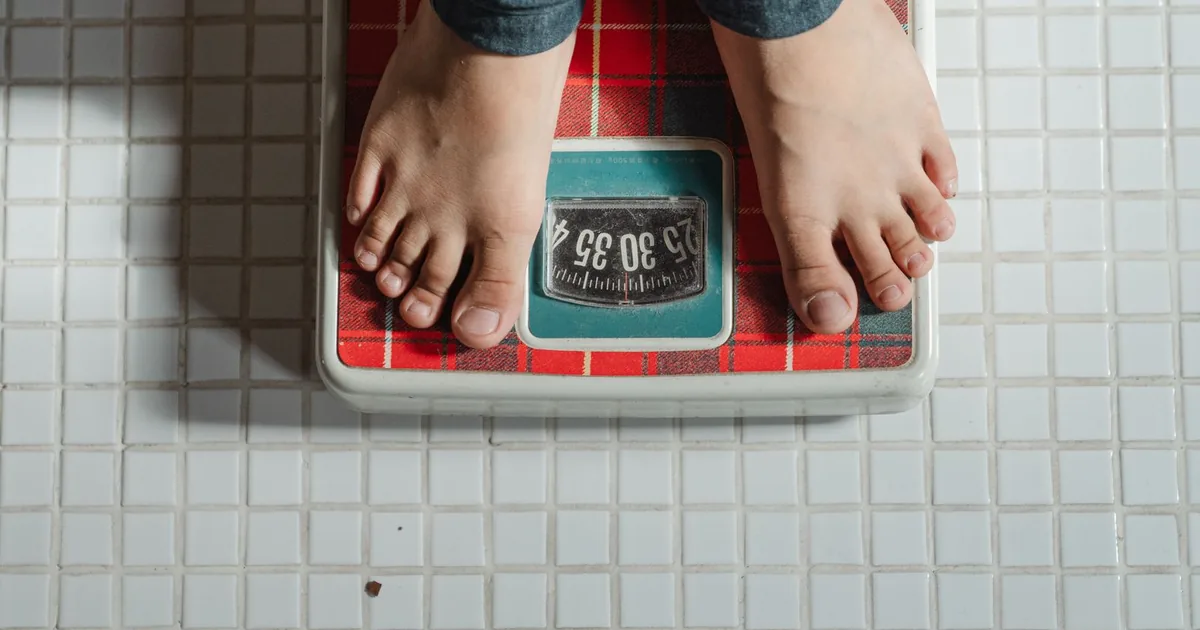
Weight regain after stopping weight loss medication is a common concern for many patients. If you've successfully lost weight with prescription treatment, you may wonder how to keep it off once you stop. This article explains why regain happens and provides evidence-based strategies to prevent it, with the support of a medical team like TrueWeight.
1. Why does weight regain happen after stopping medication?
Weight loss medications, including GLP-1 receptor agonists, work by reducing appetite, increasing fullness, and sometimes altering metabolism. When you stop, these effects disappear, and your body's natural hunger signals may return. Additionally, your body has adapted to a lower weight by reducing energy expenditure, making it easier to regain weight. This is not a personal failure—it's a biological response.
According to the European Association for the Study of Obesity (EASO), obesity is a chronic disease that often requires long-term management. Stopping medication without a plan can lead to rapid weight regain.
2. The role of medical follow-up in preventing regain
One of the most effective ways to prevent weight regain is to have a structured plan with your doctor. At TrueWeight, we emphasize that weight loss medication is only one part of a comprehensive treatment plan. Our online medical obesity treatment includes regular follow-up to adjust your treatment and provide support.
Your doctor may recommend a gradual tapering of the medication rather than stopping abruptly. This allows your body to adjust and gives you time to strengthen healthy habits. In some cases, a lower maintenance dose may be appropriate, as per NICE guidelines.
3. Lifestyle strategies to maintain your weight loss
While medication can help you lose weight, lifestyle changes are crucial for keeping it off. Here are key strategies:
- Continue healthy eating habits: Focus on a balanced diet rich in vegetables, lean proteins, and whole grains. Avoid returning to old eating patterns.
- Stay physically active: Aim for at least 150 minutes of moderate exercise per week, including strength training to preserve muscle mass.
- Monitor your weight regularly: Weigh yourself weekly to catch small gains early and adjust your habits accordingly.
- Manage stress and sleep: Poor sleep and high stress can increase hunger hormones and lead to weight gain.
These habits are not just temporary—they are part of a long-term lifestyle change. For more guidance, see our article on BMI and obesity: when to see a doctor.
4. Psychological support and behavior change
Weight regain is often linked to emotional eating and old habits. Cognitive behavioral therapy (CBT) and other psychological interventions can help you identify triggers and develop coping strategies. Many patients benefit from ongoing support groups or counseling.
If you're considering stopping medication, discuss your psychological readiness with your doctor. TrueWeight can connect you with resources to support your mental well-being.
5. What if I regain weight despite my best efforts?
It's important to remember that some weight regain is normal. If you regain more than a few pounds, don't get discouraged. Speak with your doctor about options such as restarting medication, trying a different treatment, or intensifying lifestyle interventions. There are alternatives to Ozempic with a medical prescription that might be more suitable for you.
Your doctor can also assess if any underlying medical conditions are contributing to weight gain. The key is to act early rather than waiting until the weight accumulates.
6. The importance of ongoing monitoring
Even after you stop medication, regular check-ups are essential. Monitoring your weight, blood pressure, and metabolic health can help catch problems early. At TrueWeight, we offer continuous follow-up to ensure you maintain your results long-term.
If you're unsure whether you're a candidate for medical obesity treatment, read our guide on am I a candidate for medical obesity treatment? to learn more.
7. Conclusion: prevention is possible
Weight regain after stopping weight loss medication is not inevitable. With a comprehensive plan that includes medical supervision, lifestyle changes, and ongoing support, you can maintain your weight loss. Remember, these treatments are prescription-only and should always be managed by a doctor. If you're concerned about stopping your medication, talk to your healthcare provider.
At TrueWeight, we're here to help you every step of the way. Our medical team can design a personalized maintenance plan to prevent weight regain. Online medical obesity treatment in Spain is just a click away.
Have questions about treatment?
Start with a free medical assessment (10 minutes). A doctor will evaluate your case, your labs and your benefit-risk balance before recommending anything.
Start your free assessment →Medical disclaimer: this article is for information only and does not replace professional advice. If you have symptoms, consult your doctor. The medicines mentioned are prescription-only.