Semaglutide vs Tirzepatide: Which GLP-1 Treatment Is Right?
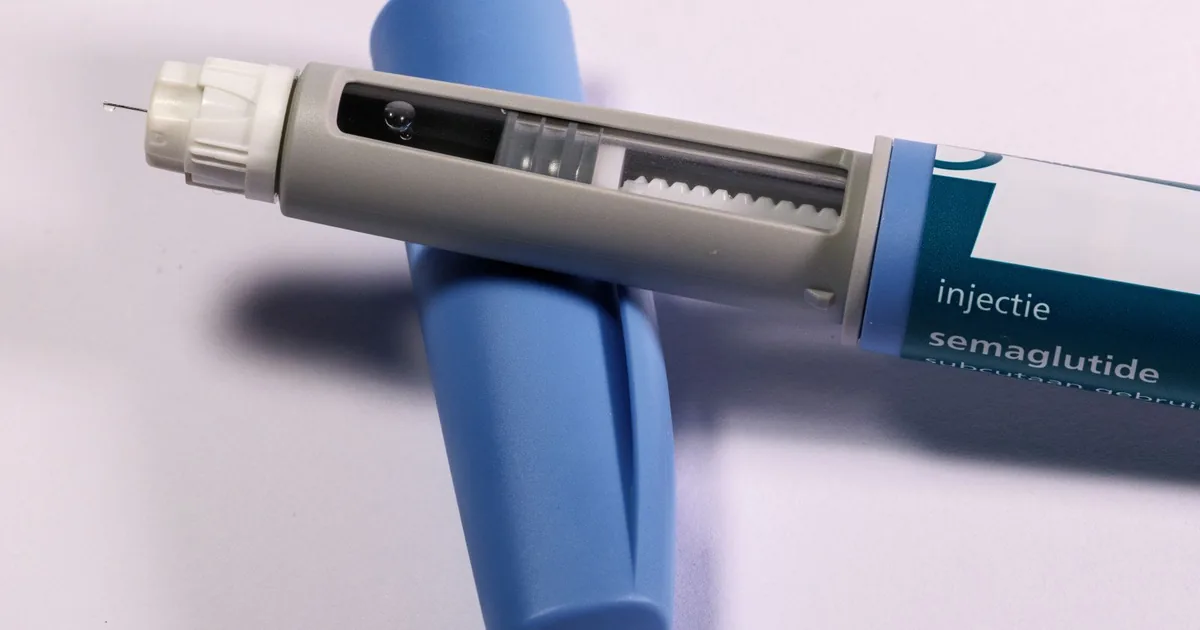
When considering medical treatment for obesity, you may have heard about semaglutide vs tirzepatide – two GLP-1 receptor agonists that have revolutionized weight management. Both are prescription-only medications, and the decision between them should be made with a qualified doctor. In this article, we break down the differences, efficacy, and side effects to help you understand your options.
1. Understanding GLP-1 Treatments
GLP-1 receptor agonists mimic a natural hormone that regulates appetite and blood sugar. They slow gastric emptying, increase satiety, and reduce food intake. Semaglutide and tirzepatide are two of the most advanced options, but they have distinct mechanisms.
Tirzepatide is a dual agonist, targeting both GLP-1 and GIP receptors, which may enhance its weight-loss effects. Semaglutide only targets GLP-1. Both are administered as subcutaneous injections, typically once weekly.
2. Efficacy: Which Leads to More Weight Loss?
Clinical trials show that tirzepatide can produce greater average weight loss than semaglutide. In a head-to-head study, participants taking tirzepatide lost up to 20% of their body weight, while those on semaglutide lost around 15%. However, individual responses vary, and factors like adherence, lifestyle, and genetics play a role.
It's important to note that these are prescription treatments, and results are not guaranteed. Your doctor will set realistic expectations based on your profile.
3. Side Effects and Safety
Both medications share common side effects: nausea, vomiting, diarrhea, and constipation. These are usually mild and subside as your body adjusts. Serious risks include pancreatitis, gallbladder disease, and kidney injury, though rare.
Tirzepatide may have a slightly higher incidence of gastrointestinal side effects, but the overall safety profile is comparable. Your doctor will monitor you for any adverse reactions. For a detailed overview, see our article on GLP-1 side effects for weight loss.
4. Choosing the Right Treatment for You
The choice between semaglutide and tirzepatide depends on several factors:
- Medical history: Conditions like pancreatitis or thyroid tumors may rule out these medications.
- Diabetes status: Tirzepatide may offer better blood sugar control.
- Side effect tolerance: If you're prone to nausea, your doctor might start with a lower dose of either.
- Cost and availability: Both are available in Spain, but insurance coverage may differ.
Only a doctor can decide which is appropriate for you. At TrueWeight, we offer online medical obesity treatment in Spain with personalized follow-up.
5. How to Start Treatment
If you're considering GLP-1 therapy, the first step is a medical evaluation. You can check if you're a candidate by reading our guide on am I a candidate for medical obesity treatment?. Your doctor will assess your BMI, medical history, and any contraindications.
During treatment, regular follow-up is essential. TrueWeight provides ongoing monitoring to ensure safety and effectiveness. Remember, these are prescription-only medications – never self-medicate.
6. The Role of Lifestyle Changes
Medication is most effective when combined with a healthy diet and physical activity. GLP-1 treatments are not a magic bullet; they support your efforts. Your doctor may refer you to a nutritionist or provide guidance. For more on lifestyle, see our article on BMI and obesity: when to see a doctor.
7. Conclusion
Both semaglutide and tirzepatide are powerful tools for weight loss, but they are not interchangeable. The right choice depends on your individual health profile. Always consult a medical professional. If you're ready to explore your options, TrueWeight can help you start your journey safely. For more information on alternatives, check our post on alternatives to Ozempic with a medical prescription.
For authoritative guidance, refer to the World Health Organization and the European Association for the Study of Obesity.
Have questions about treatment?
Start with a free medical assessment (10 minutes). A doctor will evaluate your case, your labs and your benefit-risk balance before recommending anything.
Start your free assessment →Medical disclaimer: this article is for information only and does not replace professional advice. If you have symptoms, consult your doctor. The medicines mentioned are prescription-only.